Manchester Day Tours
I’m Serious Day Tour Man AI, your day trip expert. Ask me anything — where to go, how to get there, and what’s actually worth your day.
Manchester’s day-trip hand is stronger than its rainy reputation suggests: Britain’s first national park starts forty minutes away on a train line built for it, the Beatles’ city is fifty minutes west, a Roman walled city an hour southwest, and the cotton mill that explains why Manchester exists at all runs its original machinery twenty minutes south.
The city section sorts the football-tour question (two stadiums, two tribes, one polite rule), the music heritage, and the rain — which is real, structural, and the reason the museums are this good.
Here’s what’s worth a day, with real times and honest trade-offs.

Popular Day Trips

Peak District
The Hope Valley Line, Mam Tor’s Ridge
Chester
The Complete Walls, the Rows
Liverpool
The Rebuilt Cavern Told Straight, the Booked Childhood Homes
Lake District
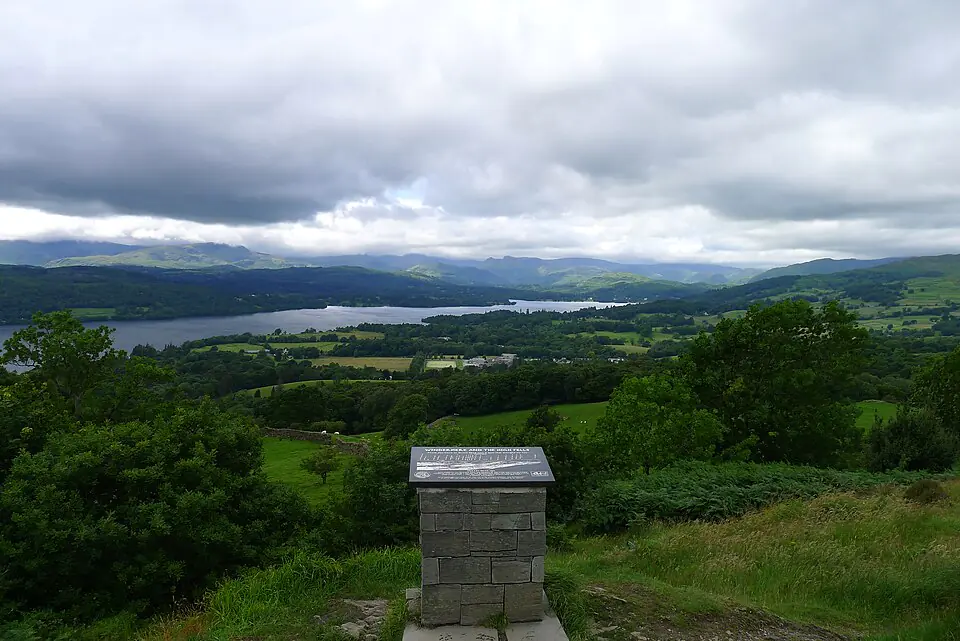
One Lake and One Village Done Properly, Orrest Head First
The Peak District — Edale, Castleton & the Great Ridge
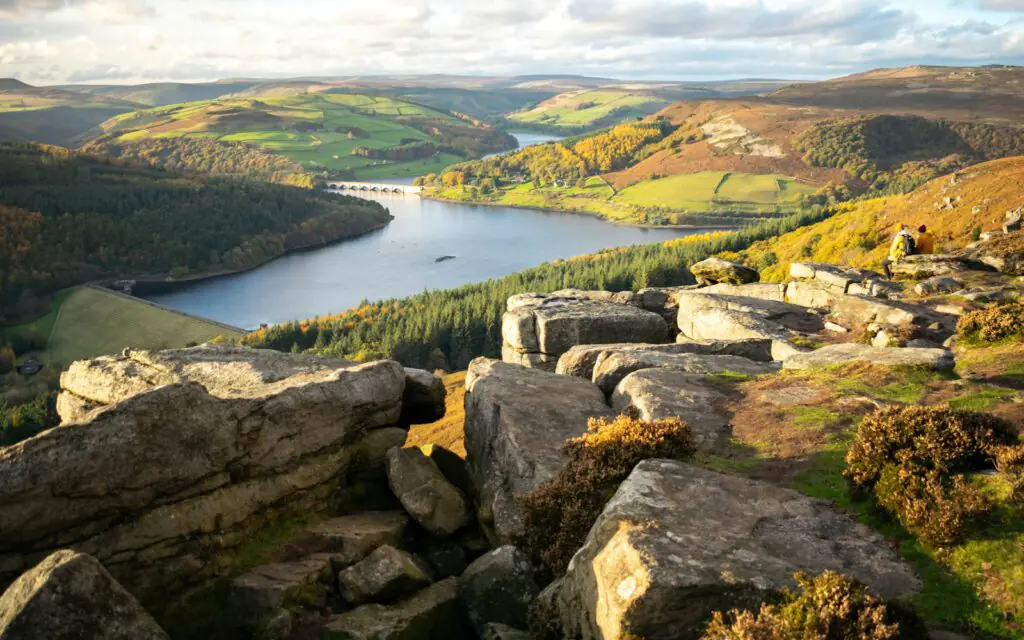
Forty minutes on the Hope Valley line, Britain’s first national park opens at Edale — the village where the 270-mile Pennine Way begins at the Nag’s Head’s door — and the honest headline walk is the Great Ridge: Mam Tor, the “Shivering Mountain” whose crumbling shales swallowed the old main road in 1977, along the ridgeline to Lose Hill, with the Hope and Edale valleys falling away on both sides. It’s one of the finest ridge walks in the country and entirely doable between trains.
Castleton, in the valley below, is the underground half: four show caverns by guided tour, and Castleton is the only place on earth where Blue John stone occurs. Sort them: Speedwell for the flooded-mine boat trip along a half-mile tunnel, Treak Cliff for the best formations and the Blue John veins, Peak Cavern for Britain’s largest cave entrance — a rope-makers’ village lived inside it for centuries — and Blue John Cavern for the mineral at maximum. Cavern steps rule out serious mobility or heart limits. Winnats Pass, the limestone gorge above the village, has been the only western road in since Mam Tor ate the old one, and Peveril Castle is worth the climb for the valley view.
Three rules apply: the train beats the car parks on any fine weekend, waterproofs are equipment not caution, and Kinder Scout’s plateau — where the 1932 Mass Trespass won the access rights every walker now uses — is the full-day upgrade for the properly booted.
Read the full Peak District day-trip page.
Liverpool — The Fifty-Minute Second City
Fifty minutes west, Liverpool delivers a full city in a day, and the sorting starts with the Beatles question. The genuine articles: the Cavern Club (a faithful rebuild on the original street — taken as the live-music shrine it now is), the childhood homes at Mendips and Forton Road run by the National Trust on pre-booked minibus tours (the only way inside, and the best Beatles experience in the city), and Penny Lane and Strawberry Field for the drive-by devotions. The Beatles Story museum at the dock serves fans well; the magical-mystery coach tours serve completists.
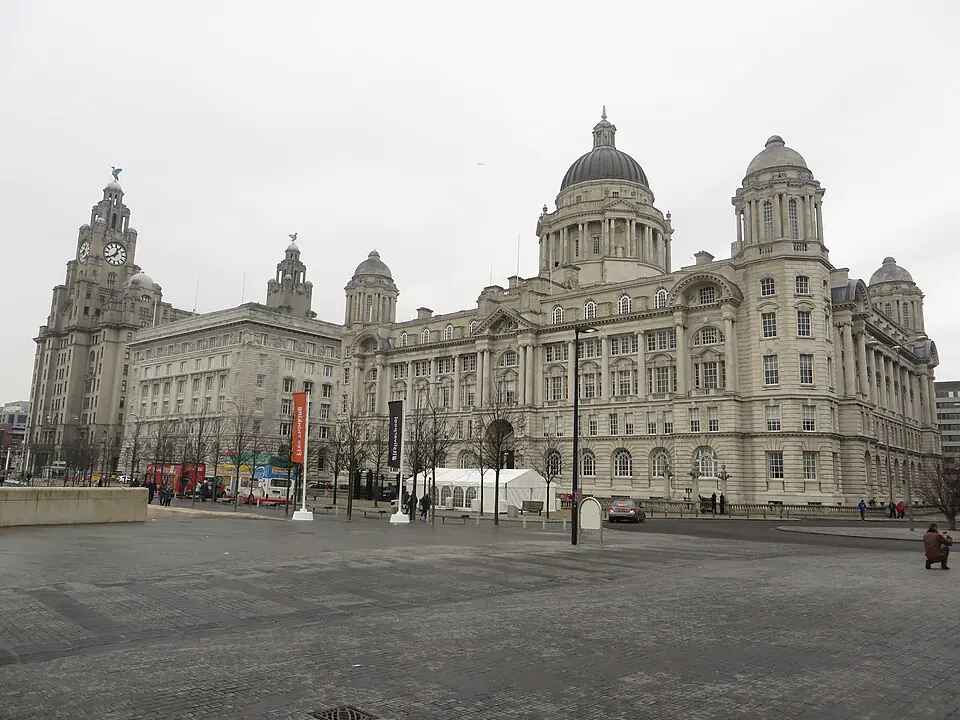
The rest of the city stands without the band: the Royal Albert Dock’s warehouse ensemble with Tate Liverpool and the Merseyside Maritime Museum (whose International Slavery Museum handles the city’s hardest history with the sober register it requires), the Three Graces on the waterfront, and the two cathedrals bookending Hope Street — the Anglican one vast enough to hold its own weather, the Catholic one a concrete crown of thistles, both free. The Walker Art Gallery holds the north’s best paintings collection.
The ferry across the Mersey runs as a commuter boat and a fifty-minute cruise; take whichever honesty you prefer. A football add-on (Anfield’s tour) converts the day for the devoted. Everything here is walkable, and the day never feels stretched.
Read the full Liverpool day-trip page.
Chester — The Walls and the Rows
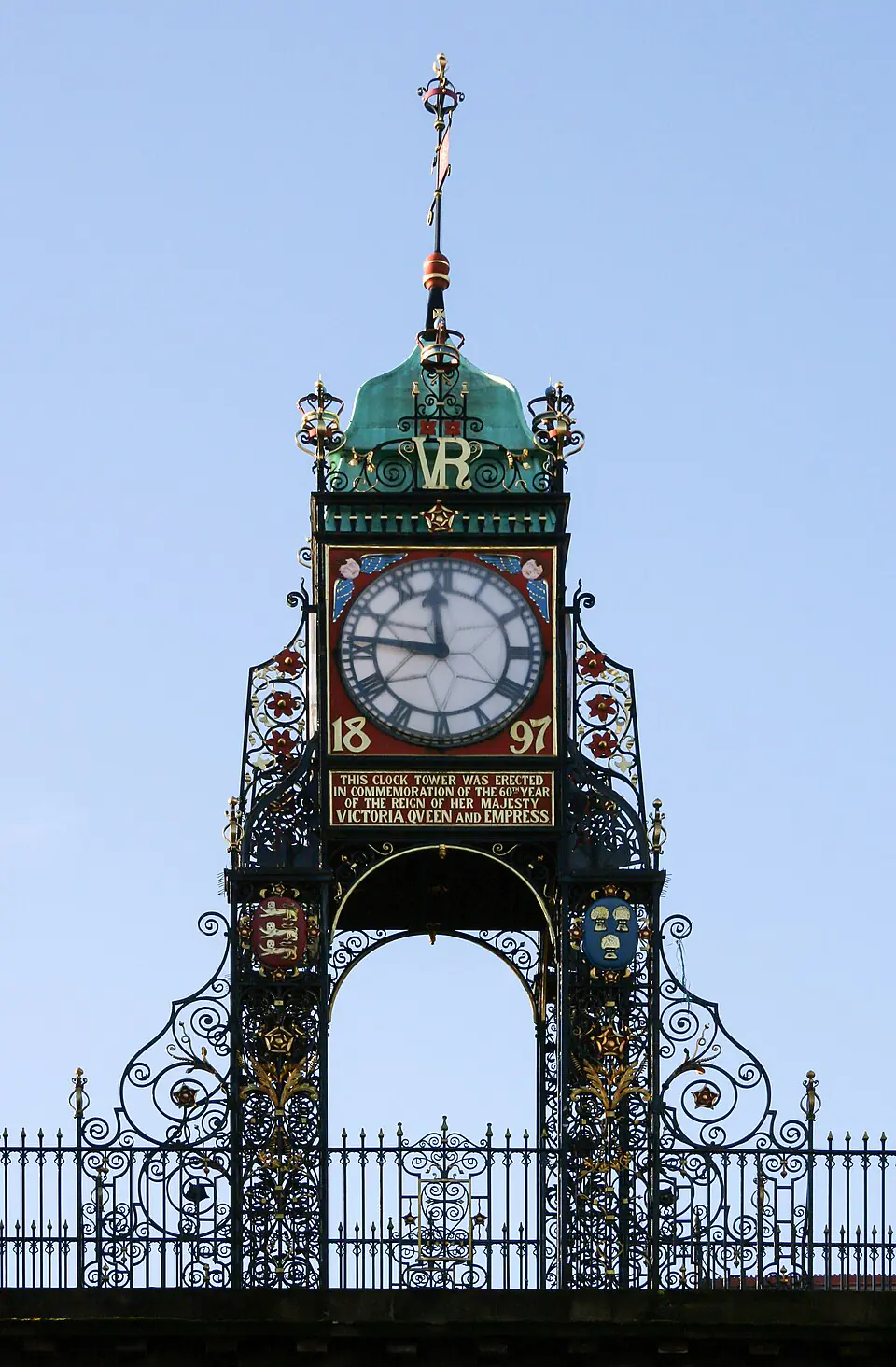
An hour southwest, Chester is the most complete walled city in Britain: the two-mile circuit is walkable in full, past the cathedral, the racecourse (the Roodee — Britain’s oldest racecourse, on the Roman harbor’s silt), and the Eastgate Clock, reputedly the country’s most photographed timepiece after Big Ben.
The Rows are the thing that exists nowhere else: medieval two-tier galleried streets — shops at street level, a second covered row of shops above — running the four main streets from the Cross, where the town crier still performs at noon in season. The black-and-white architecture is part genuinely medieval, part exuberant Victorian revival, and the city is honest about which is which.
The Roman layer runs beneath everything: the amphitheater (Britain’s largest, half-excavated), the Roman Gardens’ reassembled columns, and centurion-led walking tours that children rate the day’s best hour. The cathedral’s falconry and its quiet cloisters, boat trips on the Dee, and the independent shops of the Rows fill the rest. Chester is a strolling day — low effort, high charm, and the best two hours of it are simply the walls at your own pace. December dresses it as well as any city in England.
Read the full Chester day-trip page.
Quarry Bank & Lyme — The Mill and Pemberley
Twenty minutes south, Quarry Bank is the day trip that explains Manchester: a complete Georgian cotton-mill community preserved by the National Trust — the mill itself with its heritage machinery running (the floors genuinely shake when the looms weave), the owner’s house and gardens up the valley, and the Apprentice House, toured with a guide, where the pauper children who worked the mill lived under rules the tour spares nothing of. The contrast between the Greg family’s picturesque gardens and the apprentice dormitories is the point, and the estate walks along the Bollin make it a full afternoon. Book the Apprentice House tour on arrival; slots cap.
Lyme, thirty minutes southeast at the Peak’s edge, is the other half of the pairing: the vast Palladian house whose exterior played Pemberley in the 1995 Pride and Prejudice — the lake Colin Firth emerged from is signposted with good humor — with a medieval deer park of moor-edge walks and the Cage tower on its hill. The house interior runs seasonal hours; the park walks run always.
The frame: both are National Trust, so members travel free and everyone else should check joint-ticket math. Together they make the heritage day; separately, each pairs with a Peak morning.
Blackpool — The Seaside, Sorted Honestly
An hour and a quarter northwest, Blackpool is Britain’s great working-class seaside resort, and the honest sorting is by register: taken as kitsch heritage, it’s a genuinely great day; taken as a genteel coastal retreat, it will disappoint within minutes. Know which trip you’re on.
The heritage register: the Tower Ballroom, where the Wurlitzer rises from the floor and couples foxtrot beneath gilt that out-Parises Paris — worth the ticket for anyone with a pulse — plus the Tower’s glass-floor top, the three Victorian piers, and the trams running the front. The Pleasure Beach holds the Big One and a working wooden-coaster collection that enthusiasts cross oceans for. The Illuminations — six miles of lights, roughly September through early January — are the season the town builds toward, and the tram ride through them is the correct format.
Three rules apply: fish and chips on the front, donkeys on the sand at low tide, and expectations calibrated to cheerful excess rather than subtlety. Families and irony-free nostalgists rate it highest; travelers wanting coastal quiet should take Formby’s National Trust dunes and red squirrels instead, forty minutes from Liverpool. Both are honest answers to different questions.
The Two Stadiums, the Rain & Manchester Itself
The football sort, since it’s why half the visitors come: Old Trafford (United) and the Etihad (City) both run daily stadium-and-museum tours, both are genuinely well done, and the one polite rule is not performing allegiance jokes at either — the rivalry is real and the tour guides have heard everything. Match tickets are members-first economics; hospitality packages are the visitor’s realistic route. The National Football Museum in the city center serves the sport-agnostic well.
The city’s own circuit: the Science and Industry Museum on the site of the world’s first passenger railway station, the John Rylands Library — a neo-Gothic cathedral built for books, free, and the city’s most underrated interior — the Whitworth and Manchester Art Gallery for the collections, and HOME for the culture evening. The Northern Quarter runs the record-shop-and-mural economy; Ancoats, once the world’s first industrial suburb, now holds the restaurant scene’s best tables; and the Curry Mile in Rusholme remains the institution its name promises.
The music heritage walks itself: Salford Lads Club, the Haçienda’s apartment-block ghost, Afflecks’ four floors of alternative retail. Eat the rag pudding or the Eccles cake once, drink in a Victorian pub (the Peveril of the Peak, the Marble Arch), and accept the rain as structural — the city’s glass ceilings, arcades, and museum density are the adaptation. Season math: May, June, and September are the windows; match weekends reprice hotels citywide; and the Christmas markets own November–December, Albert Square at their heart.
Full day-trip pages: the Lake District.
Frequently Asked Questions
What’s the best day trip from Manchester?
The Peak District — forty minutes on the Hope Valley line to Edale for the Great Ridge walk, or Castleton for the four show caverns and Blue John stone. Take the train; weekend car parks lose.
Is Liverpool doable in a day from Manchester?
Easily — fifty minutes each way. Book the National Trust minibus for the Beatles’ childhood homes (the only way inside), then the Albert Dock, both cathedrals, and the Slavery Museum handled with the weight it requires.
Which Castleton cavern should you choose?
Speedwell for the underground boat trip, Treak Cliff for the formations and Blue John veins, Peak Cavern for the vast entrance. All are step-heavy guided tours — skip with mobility or heart limits.
Can you tour Old Trafford or the Etihad?
Both, daily, and both tours are well done — museum, tunnel, dugouts. Match tickets run members-first, so tours are the realistic visit. One rule: don’t perform rivalry jokes; the guides have heard them all.
Is Blackpool worth visiting?
As cheerful kitsch heritage, absolutely — the Tower Ballroom’s rising Wurlitzer, the piers, the Illuminations from a tram (roughly September to early January). As a genteel seaside retreat, no; Formby’s dunes answer that question instead.